
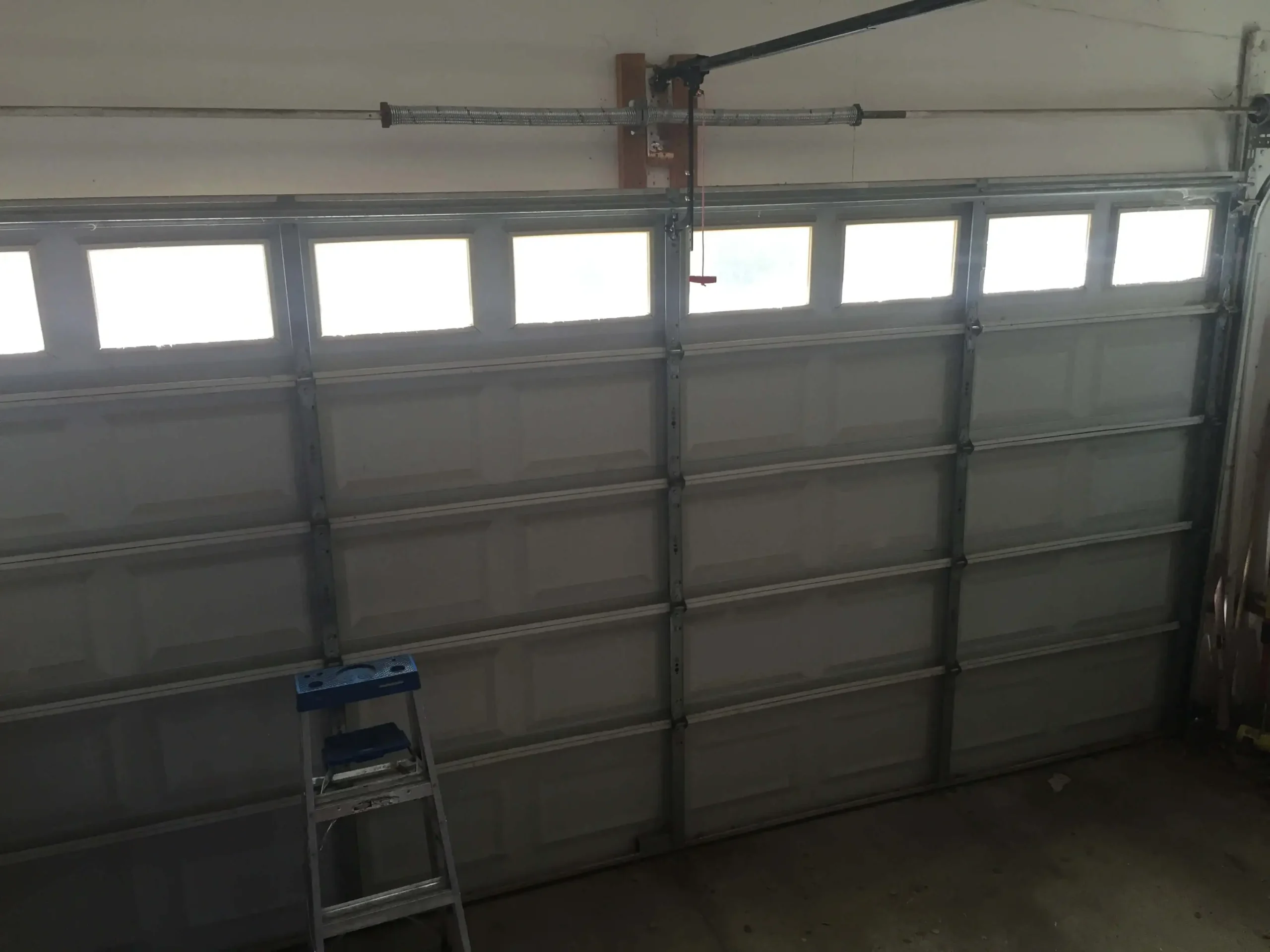
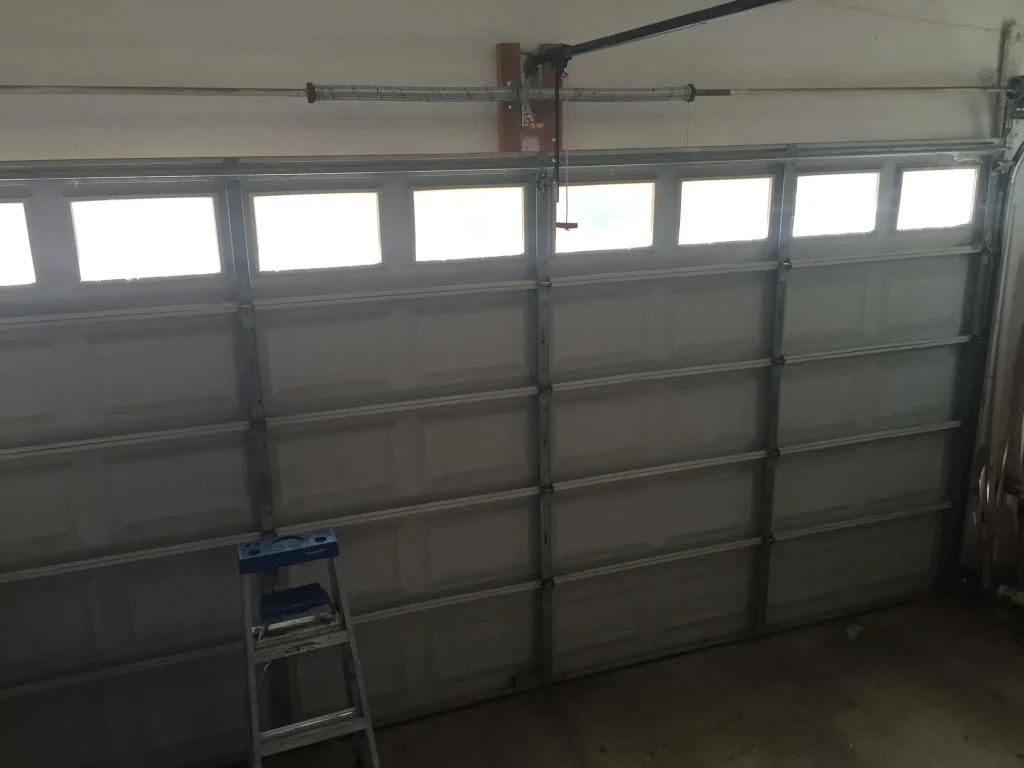
The springs responsible for balancing heavyweight garage doors undergo constant stress with each open and close cycle. Eventually even the best springs will begin to wear out after many years of use. If one or both extension springs on your garage door exhibit any of these telltale signs, it may be safer and more cost effective to replace them before a potential failure occurs.
Content
Unbalanced Operation
Properly functioning springs should help lift the door up evenly on both sides as one. If the door is lopsided and leaning toward one rail when raised or lowered, that side’s springs may be weaker and struggling. Uneven movement could worsen and cause door or cable damage over time.
Sagging When Shut
Good springs keep the door balanced horizontally when closed, neither dipping too low on one end. A sagging door indicates weakened springs struggling to hold the weight without bowing. The strain could eventually snap worn cables or worse.
Rattling or Binding Sounds
The slight hissing sound of extension springs working smoothly should be nearly silent. Grating, clanking or scraping noises coming from one spring is a sure sign of internal deterioration presenting a potential safety risk down the road. Sudden noises are never a good sign.
Shock Absorbers Broken
Springs safely arrest the door’s downward momentum using internal shock absorbers. When these fail due to fatigue, springs can no longer slowly lower the door and control its movement. Instead, they may slam down hard without dampening.
Visible Damage or Cracks
In rare cases, highly stressed springs may develop outward signs of advancing age like rust, corrosion, cracking or potentially broken coils. Internal damage can still occur before visual symptoms arise, so it’s best not to ignore other issues. Companies like Garage Door Spring Repair in Newport News specialize in inspections to catch trouble spots.
Changing Tension Settings
As springs continuously stretch and compress thousands of times, they permanently lose tensile strength. The tension may need adjusting more often than usual through the regulator dial or winding mechanism. Frequent tightening is a telltale sign springs are reaching the end of their lifespan.
If multiple garage door springs seem to be developing such problems, it’s best to schedule a replacement before a potential failure leaves the door inoperable or creates a safety hazard. Installing new premium springs helps restore full-featured performance, balance and longevity to reduce maintenance downtime for years to come. A pro can safely install new springs in no time.

When it comes to garage repair, Grace is the go-to guy. He’s been tinkering with garage doors since forever, and his knowledge is second to none.